Find Your Perfect Match
Did you know that over 85% of homeowners say their bathroom feels brand new after just one vanity upgrade? Whether you’re dreaming of a luxurious master bath or maximizing a compact powder room, choosing the right bathroom vanity styles and materials can completely transform your space. In this guide, we’ll compare popular options, break down their pros and cons, and give you expert-level tips to help you find the perfect fit for your next remodel.
Unveiling the Impact of Bathroom Vanity Styles and Materials Comparison
When starting a bathroom remodel, many homeowners underestimate the transformative power of the vanity. Your choice in vanity style and material not only influences the room’s feel and daily durability but also affects the long-term value and maintenance of your home. A well-selected vanity can elevate a master bath, provide clever storage in a small bathroom, or serve as a focal point in a bustling guest bath. By making informed decisions about style and material, you ensure your investment meets all your needs—combining function, form, and longevity.
This comparison of bathroom vanity styles and materials will help you approach your remodel with confidence. We’ll explore how solid wood, engineered wood, MDF, metal, and glass options stack up in durability, water resistance, and style. Plus, you’ll find guidance on picking the right countertop material and matching sink vanities to their ideal bases. Whether you’re focused on maximizing space, achieving a designer look, or optimizing for easy cleaning, you’ll find the insights you need to create your dream bathroom.
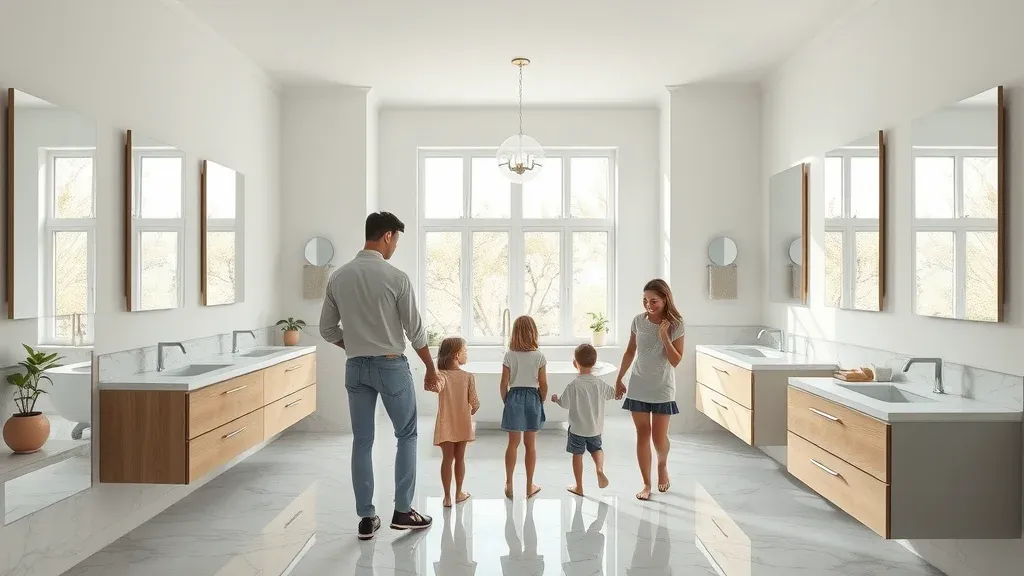
What You’ll Learn: Insights into Bathroom Vanity Styles and Materials Comparison
- How various bathroom vanity styles and materials compare affects design and durability
- Pros and cons of solid wood, engineered wood, and other popular materials
- How to determine the best vanity style for your bathroom size and needs
- Key considerations for selecting the ideal countertop material and sink vanities
- Expert quotes and data-driven analysis to guide your bathroom remodel
Bathroom Vanity Styles and Materials Comparison: Why It Matters for Every Bathroom Remodel
Choosing the right vanity is about more than just looks. The wrong material can warp in humidity or wear out quickly, leading to costly repairs and regular frustration. On the other hand, a well-matched bathroom vanity—carefully selected for your room’s size, moisture level, and storage requirements—brings harmony, functionality, and lasting beauty to any bathroom design. Whether you’re transforming a high-traffic family bathroom or refreshing your powder room, matching the right style with the perfect material is a decision that pays dividends every day.
“The right bathroom vanity style and material can turn an ordinary bathroom into a functional work of art.” — Interior Design Expert
Overview of Popular Bathroom Vanity Styles
Modern bathroom vanities come in a wide range of styles. Choosing among freestanding vanities, floating vanities, double-sink options, and unique vessel-sink vanities will define the look and function of your space. Each offers distinct advantages for different needs and design aspirations.
Freestanding Vanities: Classic Bathroom Vanity Styles
Freestanding vanities are a timeless and versatile choice, favored for their durability and traditional appeal. Standing securely on the floor, these vanities often feature spacious cabinets or drawers, making them a popular choice for larger master bathrooms and busy family spaces. Constructed most often from solid wood or wood veneer over engineered wood, they blend perfectly with both classic and transitional décor. Their substantial presence, combined with a decorative base, gives them a furniture-like feel, instantly upgrading even a simple powder room.
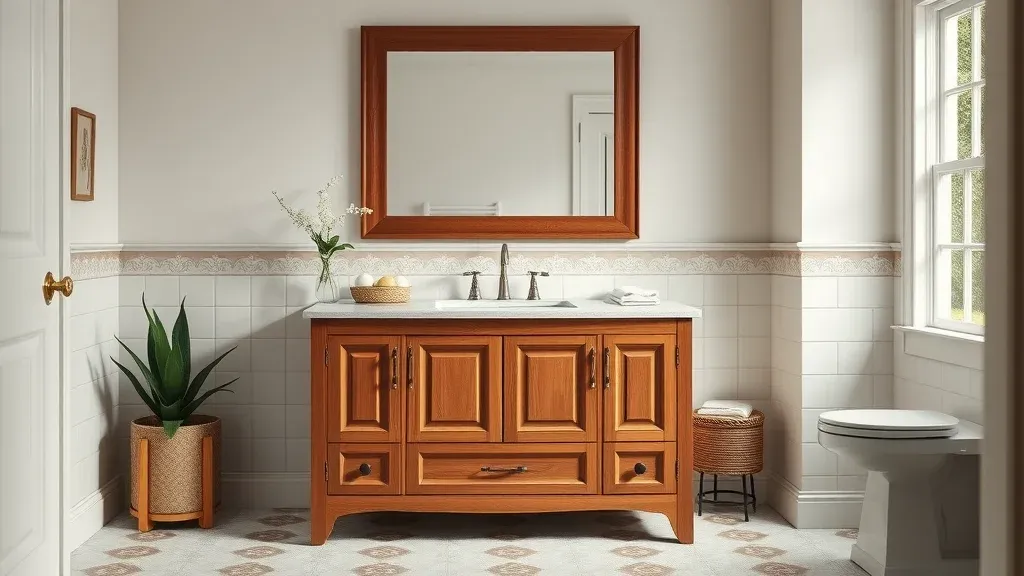
The biggest advantage of freestanding vanity styles is their ample storage and adaptability. They’re easy to install and perfect for spaces where storage is a priority. However, in a small bathroom, their footprint might make the room feel crowded. With the right proportions and finish, freestanding bathroom vanities add warmth and style to any guest bath or master bath renovation.
Floating Vanities: Modern Elegance in Bathroom Vanity Styles
Floating vanities are mounted to the wall, hovering above the floor and creating a striking visual impact. These vanities are the hallmark of modern bathroom design, making the room feel larger and more open by revealing the floor underneath. Floating vanities are especially ideal for small bathrooms or powder rooms, where every square inch counts and easy cleaning is important. Typically made from engineered wood, solid wood, or even metal for contemporary wraps, these vanity styles feature sleek lines and smooth surfaces that suit minimalist, Scandinavian, and urban designs.
Not only do floating vanities maximize perceived space, but they also offer flexibility for custom storage solutions like floating drawers and built-in shelves. Installation may require reinforced walls, but the payoff is a truly designer look. Floating vanities can be customized with vessel sinks or undermount sinks, giving you total freedom in your bathroom remodel.
“Floating vanities are revolutionizing small bathroom design by creating an illusion of space.” — Rob Gamble San Jose General Contractor
Double Sink Vanities vs. Single Sink Vanity Styles
Choosing between a double-sink vanity and a single-sink vanity hinges on your lifestyle and available space. Double-sink vanities are a natural fit for master baths where two people prep at once, while single-sink vanities may be perfect for powder rooms or guest bathrooms with limited space. Double sinks typically require a wider vanity and careful consideration of plumbing and storage options, but they enhance convenience and harmony for couples or families sharing a bathroom.
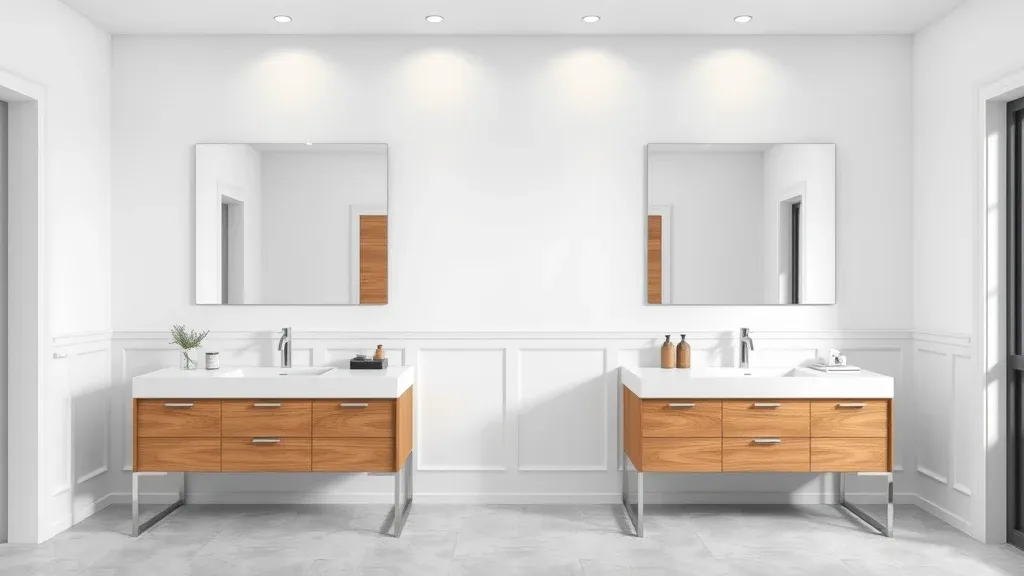
In small or awkwardly shaped spaces, single-sink options provide more counter space and storage and can be installed in corner vanity cabinets for tricky layouts. Designers often consider the vanity cabinet width, storage configuration, and countertop needs before recommending single- or double-unit options, ensuring you get a perfect fit for your unique bathroom environment.
Vessel Sinks and Unique Sink Vanities
Vessel sinks are bowl-shaped sinks that sit on top of the vanity countertop, instantly elevating the style of any bathroom. Paired with unique vanities crafted from reclaimed wood, concrete, or even metal, vessel sinks have become a hallmark of contemporary and artisan bathroom designs. These sink vanities are popular for powder rooms and guest bathrooms as a statement feature. Their raised profile maximizes storage beneath and offers creative flexibility for mixing and matching finishes and materials to create a one-of-a-kind vanity style.
When choosing a vessel sink, ensure your vanity countertop is strong enough to support the extra weight and is water-resistant. Engineered stone, glass, and sealed woods are frequent choices for the top, while the base can be anything from rustic reclaimed planks to sleek modern cabinetry. With proper planning and installation, vessel sinks can become the showpiece of your bathroom remodel.
Comprehensive Bathroom Vanity Materials Comparison
The heart of any bathroom vanity styles and materials comparison is deciding which material best matches your needs for beauty, strength, and budget. Vanities come in a wide range of materials—from classic solid wood to innovative alternatives. Each brings its own benefits and drawbacks, especially in the humid, high-use environment of a bathroom.
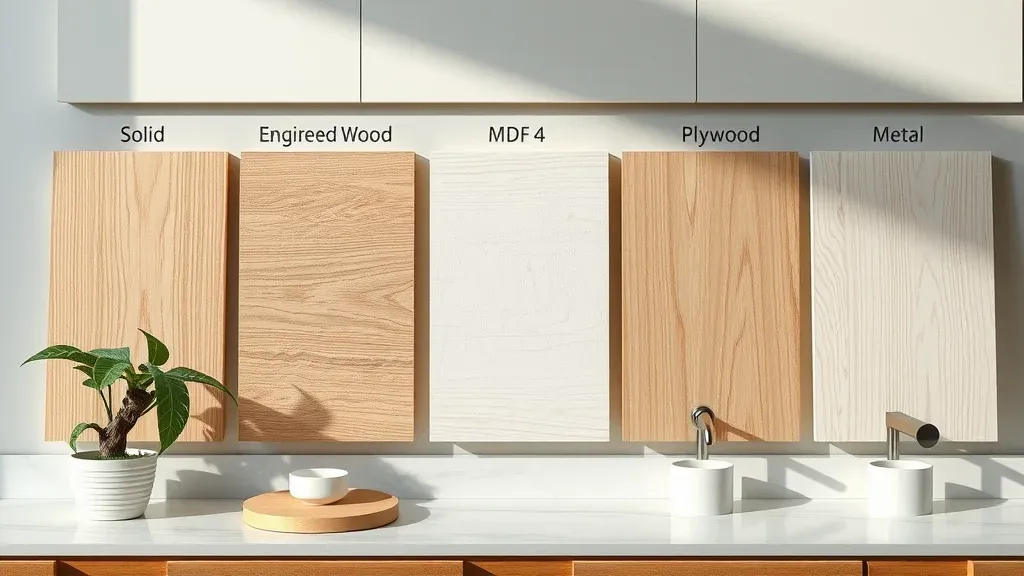
Here’s a quick table comparing the most common vanity cabinet materials:
| Material | Durability | Water Resistance | Maintenance | Aesthetics | Cost | Environmental Impact |
|---|---|---|---|---|---|---|
| Solid Wood | Very High—lasts decades | Moderate—requires sealing | Medium—needs regular care | Luxurious, classic grain | High | Renewable, but resource-intensive |
| Engineered Wood | Good—depends on quality | Good, if sealed edges | Easy—wipe clean | Modern, customizable | Moderate | Eco-friendly options available |
| MDF | Fair—less strong than solid/engineered wood | Good if well-sealed | Easy—avoid standing water | Smooth painted finish | Lower | Uses recycled wood |
| Plywood | Very Good—multi-layered strength | Very good when sealed | Minimal—simple cleaning | Natural or finished options | Moderate | Sustainable woods available |
| Metal | Very High—resists dings and dents | Excellent | Easy—resists mold/mildew | Industrial, modern shine | High | Recyclable, low VOC |
Each material in this bathroom vanity styles and materials comparison offers unique strengths. Read on for detailed insights to help you make the best choice.
Solid Wood Bathroom Vanities: Timeless Quality
Solid wood remains the gold standard for luxury bathroom vanities. Whether crafted from oak, maple, or cherry, these vanities offer unmatched durability and a warm, classic appearance. The rich wood grain and sturdy feeling make them a perennial favorite in both master baths and high-end powder rooms. Because wood is naturally resilient, properly sealed and maintained solid wood vanities can last for decades, maintaining their beauty and strength even in humid environments.
However, solid wood vanities do require regular upkeep. They are susceptible to warping and swelling if not sealed or if exposed to standing water. Higher cost and resource use are also considerations. Still, for those willing to invest in quality, solid wood is an investment that pays off in both elegance and resale value.
Engineered Wood and MDF Bathroom Vanities: Affordable Versatility
Engineered wood and MDF (Medium-Density Fiberboard) are popular choices for those seeking style on a budget. Engineered wood, such as particle board with a wood veneer finish, offers a balance of strength, affordability, and customizable design. It’s less prone to shrinkage or swelling compared to solid wood, making it suitable for busy bathrooms. MDF, which uses recycled wood fibers pressed together for a smooth finish, excels when you want boldly painted colors or a modern, minimal look with consistent surface texture.
Both materials stand up well to regular cleaning, but care should be taken to keep them dry. Edge sealing and quality finishes will help resist warping in damp bathrooms. With the right maintenance, engineered wood and MDF bathroom vanities offer a stylish, cost-effective upgrade for guest bathrooms and powder rooms alike.
Metal, Glass, and Alternative Materials for Bathroom Vanities
For those seeking something truly unique, metal and glass vanities provide contemporary flair and hard-wearing performance. Stainless steel vanities are virtually impervious to moisture and mildew, making them an excellent choice for bathrooms with high humidity or for an industrial-chic look. Glass-topped vanities, meanwhile, add sophistication and a sense of lightness—a perfect way to enhance a modern bathroom’s appeal.
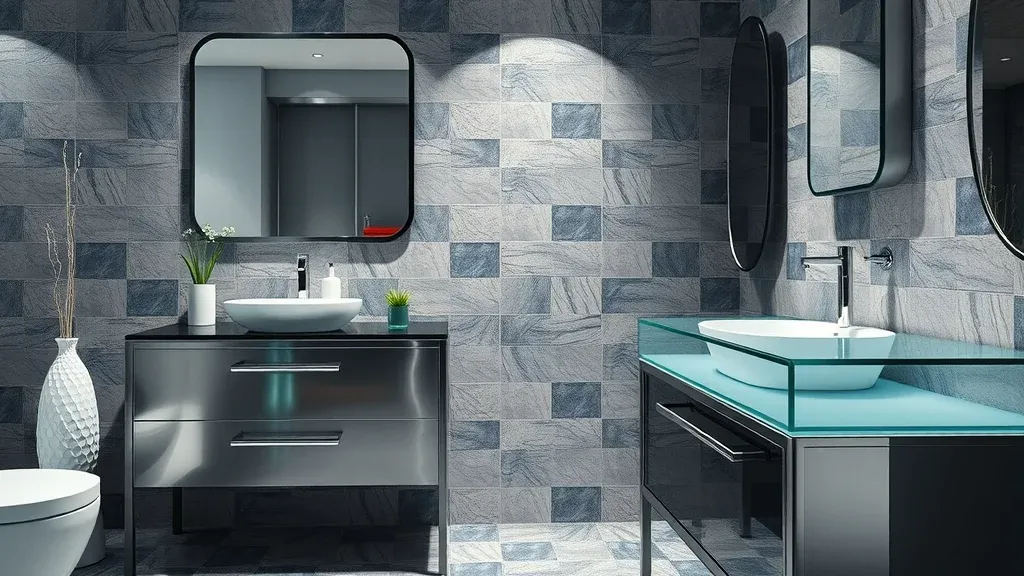
Alternative options such as concrete and recycled materials are gaining popularity for eco-conscious or artisan bathrooms. Each material requires careful installation and cleaning, but when paired with the right details, they can truly set your bathroom apart.
“Materials play a defining role in a vanity’s lifespan and how well it handles everyday challenges.” — Bath Product Expert
Selecting the Perfect Countertop Material for Your Bathroom Vanity
The countertop material can amplify your vanity’s style or define its resilience. Let’s break down the top choices:
Quartz, Granite, and Marble: High-End Countertop Choices
Quartz countertops are engineered from natural stone and resin, making them extremely durable, non-porous, and stain-resistant—perfect for busy family bathrooms. Granite, a classic natural stone option, is more porous but prized for its one-of-a-kind patterns and robust texture. Marble offers a luxurious aesthetic with soft veining, but is best suited for powder rooms or low-traffic spaces where it won’t experience heavy wear or staining. All three are beautiful, elevate any vanity style, and complement solid-wood, engineered-wood, and modern floating vanities.
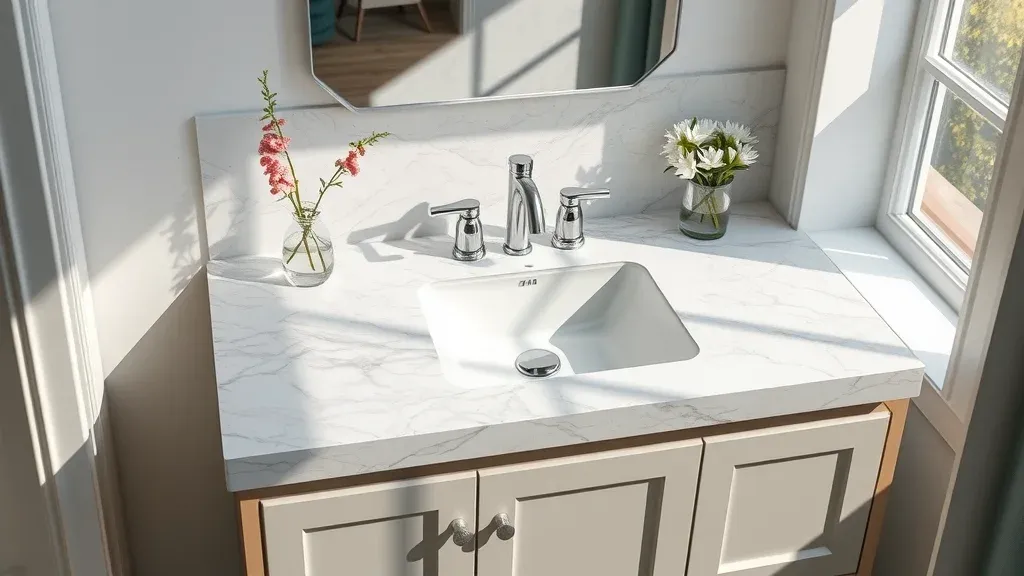
Keep in mind that granite and marble require periodic sealing to resist water and stains. Quartz is generally low-maintenance, making it a favorite among families who want both performance and easy cleaning. When coordinated with your wall color and hardware, any of these stone tops will give your bathroom vanity a timeless, upscale look.
Laminate, Solid Surface, and Tile Countertops
On a tighter budget or seeking creativity? Laminate countertops now come in a wide range of finishes—including options that mimic stone and wood—offering affordability and easy maintenance. Modern solid surface materials like Corian combine seamless looks with durability and are repairable if scratched. Tile countertops give you total freedom in design and color, perfect for eclectic or retro-style bathrooms. They’re water-resistant but require periodic grout cleaning to prevent mildew.
These versatile countertop materials work beautifully with vanities in engineered wood, MDF, or metal, making them a smart choice in high-traffic family bathrooms, powder rooms, or rental properties. They allow homeowners to invest in stylish looks without breaking the bank.
Matching Bathroom Vanity Styles and Materials to Sink Types
The right sink vanity pairing can add function and harmony to your bathroom design. Consider these key matching points when making your selection:
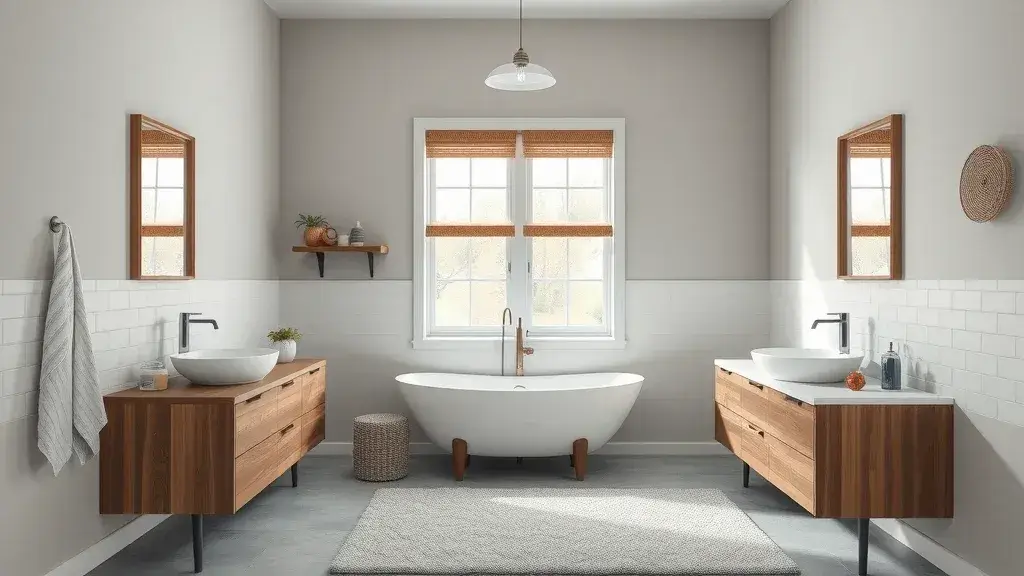
- Vessel sinks: Require sturdy countertop materials (like stone or tempered glass) and a base that can support extra weight
- Drop-in and undermount sinks: Compatible with most wood cabinets and engineered wood vanity types; ideal for seamless, easy-to-clean looks
- Double sink vanities: Need wide, supportive countertops (like quartz or solid wood) and careful attention to plumbing layout and storage access
Ensuring your sink style and vanity material are well-matched isn’t just about looks—it’s about long-term functionality. Make sure water-prone areas are extra protected and consider the cleaning routines you prefer.
Bathroom Vanity Styles and Materials for Small Bathrooms
Small bathrooms don’t need to compromise on style. In fact, the right floating vanity or slim sink vanity can amplify space and make the room feel bigger. Floating vanities are ideal because they reveal more floor area and can integrate innovative storage, such as pull-out drawers or open shelving, underneath.
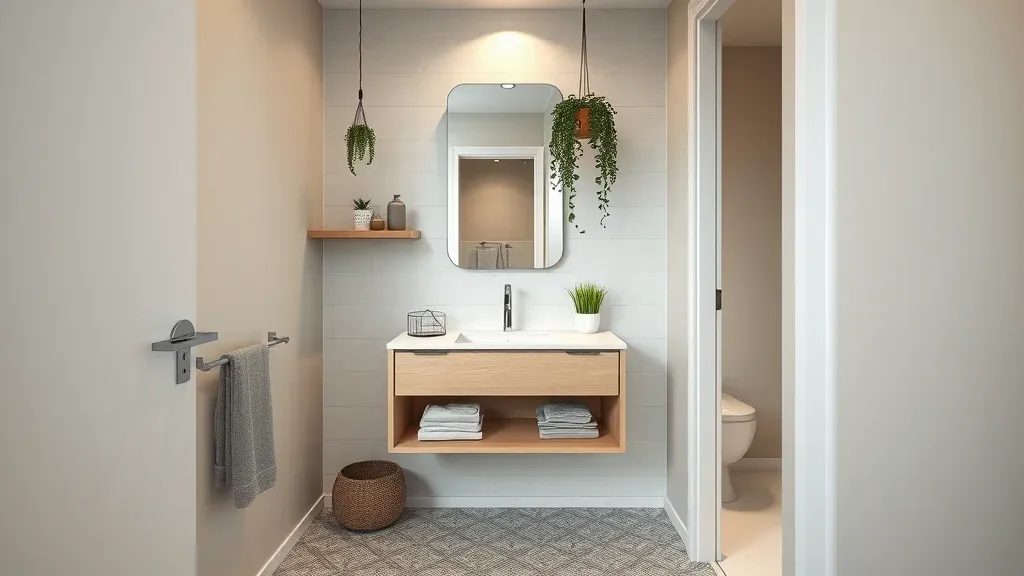
Selecting light colors, reflective surfaces, and compact designs helps maximize perceived space without sacrificing storage. Even vessel sinks can work in small spaces if combined with cleverly designed vanities. The key is balancing convenience, easy cleaning, and clever storage—all achievable with today’s range of quality bathroom vanities.
“A small bathroom doesn’t mean small style—choose your bathroom vanity style wisely for the best results.”
Trendy Vanity Styles for Contemporary and Classic Designs
If you want a fresh look, consider these trending vanity styles for your next project. Today’s top designs blend timeless craftsmanship with modern innovation—delivering both wow-factor and practical value. Here are four popular options:
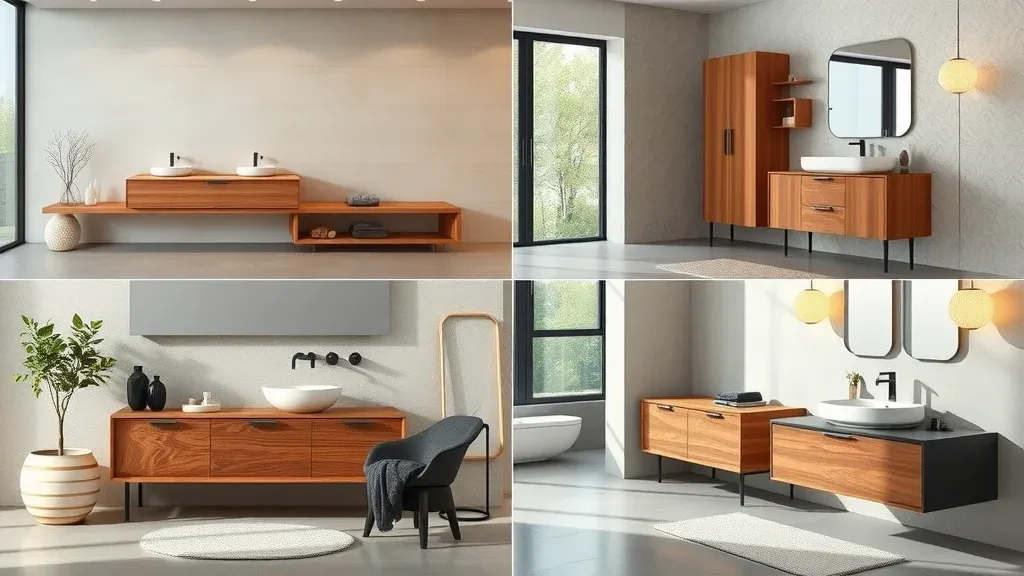
- Minimalist floating vanities with engineered wood: Offer a sleek, modern look with hidden storage for a clutter-free bathroom.
- Classic freestanding solid wood bathroom vanities: Bring warmth and timeless elegance, ideal for traditional or transitional spaces.
- Artisan vessel sink vanities using reclaimed materials: Perfect for creating a unique focal point in a half bath or guest bathroom.
- Smart vanities: Feature built-in lighting, USB ports, and integrated storage to match contemporary lifestyles.
Select a style that reflects your home’s character, keeping in mind the daily users and long-term needs of your bathroom remodel.
Expert Tips for Bathroom Vanity Styles and Materials Comparison During a Remodel
- Map out your bathroom remodel priorities—whether function, storage, or budget is most important to you.
- Match the vanity’s style and material to the moisture level, usage, and your preferred cleaning routines.
- Choose your countertop material based on the amount of wear and exposure to water or cosmetics you expect.
Bathroom Vanity Styles and Materials for a Seamless, Perfect Fit
The secret to a flawless bathroom transformation is finding the perfect fit for your space. Start by measuring accurately—consider doorway access, plumbing locations, and how drawers and doors will open. Use these numbers to select a vanity cabinet that meets your storage needs without overwhelming the room. Don’t forget to allow extra space for a countertop overhang and sink installation.

Consult with a professional if you’re unsure about support walls for floating vanities or about plumbing changes for a double-sink upgrade. This attention to detail ensures your bathroom vanity aligns with your vision—and stands the test of time.
Video Overview: Bathroom Vanity Styles and Materials Comparison in Action
Watch a dynamic, narrated video walkthrough showing real-life remodels with popular bathroom vanity styles and materials. See installation details, family interactions, before-and-after shots, and expert commentary to help you find the perfect fit for your remodel.
Video Tutorial: Step-by-Step Bathroom Vanity Selection Process
Follow along with a step-by-step video guide on measuring, comparing, and choosing your next bathroom vanity—designed to make every phase of the remodel simple and stress-free.
Frequently Asked Questions: Bathroom Vanity Styles and Materials Comparison
- What is the most durable material for bathroom vanities?
Solid wood and metal are the most durable materials, lasting decades with proper care. Engineered wood and plywood are also strong choices, especially when well-sealed against water and daily wear. - Are floating vanities suitable for small bathrooms?
Absolutely! Floating vanities are designed to maximize perceived space, reveal more flooring, and make cleaning easier—making them a choice for bathroom remodels in tight spaces. - How do I choose between a single- and a double-sink vanity?
Base your choice on bathroom size, number of daily users, and storage needs. Double sinks suit master bathrooms and families, while single sinks free up more counter space and fit better in powder rooms or guest bathrooms.
People Also Ask: Questions About Bathroom Vanity Styles and Materials Comparison
Which bathroom vanity style is best for a modern bathroom?
For a modern bathroom, floating vanities with engineered wood or high-gloss finishes are a top choice. They create an open look, showcase sleek lines, and are easy to customize with vessel sinks or under-mount options.
What material should I choose for my bathroom vanity if I want something easy to maintain?
Quartz countertops paired with engineered-wood or solid-surface vanities are best for easy maintenance. They resist stains, require minimal sealing, and withstand daily splashes or cosmetics—ideal for busy households.
Key Takeaways from Bathroom Vanity Styles and Materials Comparison
- Consider both style and material for long-term satisfaction with your bathroom vanity.
- Solid wood brings luxury and unmatched durability, while engineered materials offer affordable versatility.
- Floating vanities excel at maximizing space and style in small bathrooms.
- Select countertop and sink types that harmonize with your chosen vanity style for best results.
Ready to Upgrade? Call 408-723-8346 to Start Your Bathroom Vanity Remodel Today
Take the next step—contact our team at 408-723-8346 to discuss your bathroom vanity styles and materials comparison needs. Find your perfect match and transform your bathroom into a beautiful, functional retreat now!