Did you know that choosing the wrong flooring in your busy home or commercial space can cause it to wear out nearly 40% faster than in low-traffic zones? The best flooring options for high-traffic areas aren’t just about good looks; they’re about long-lasting durability, easy maintenance, and long-term value. In this guide, you’ll discover everything you need to confidently select and care for flooring designed to thrive in even the most bustling spaces.
Startling Statistics: Why the Right Flooring Options Matter for High Traffic Areas
“Did you know that flooring in commercial traffic areas can deteriorate up to 40% faster than in low-use spaces? Choosing the right flooring option is both a design and durability decision.”
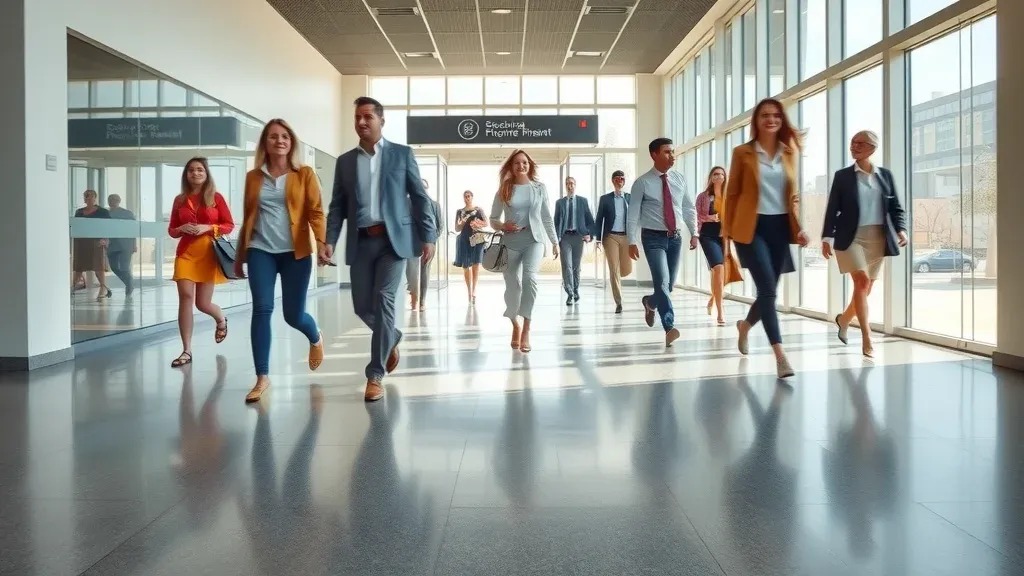
High-traffic areas, such as entryways, hallways, offices, and retail spaces, endure relentless wear and tear from heavy foot traffic. In fact, studies show these zones require replacement or repair several years sooner than those in private or low-use rooms. That’s why it’s critical to select the right flooring options up front, not just for longevity but also for workability, safety, and aesthetic appeal. A poor choice can mean escalated maintenance costs, an unsightly appearance, and even safety hazards if surfaces become slippery or worn down.
Conversely, investing in the best flooring for traffic areas offers peace of mind. These solutions are designed with reinforced wear layers, moisture-resistant coatings, and textures that minimize slips and damage. Whether you’re outfitting a bustling office, a busy kitchen, or an active household, making informed choices means your floors stay beautiful and safe, year after year.
What You’ll Learn About the Best Flooring Options for High Traffic Areas
- Key features to look for in durable flooring
- Comparison of popular flooring options for traffic areas
- Insights on installation, maintenance, and longevity
- Expert advice for homeowners and facility managers
Understanding Durable Flooring: What Makes Flooring Options Suitable for High Traffic Areas
Key Characteristics of Durable Flooring
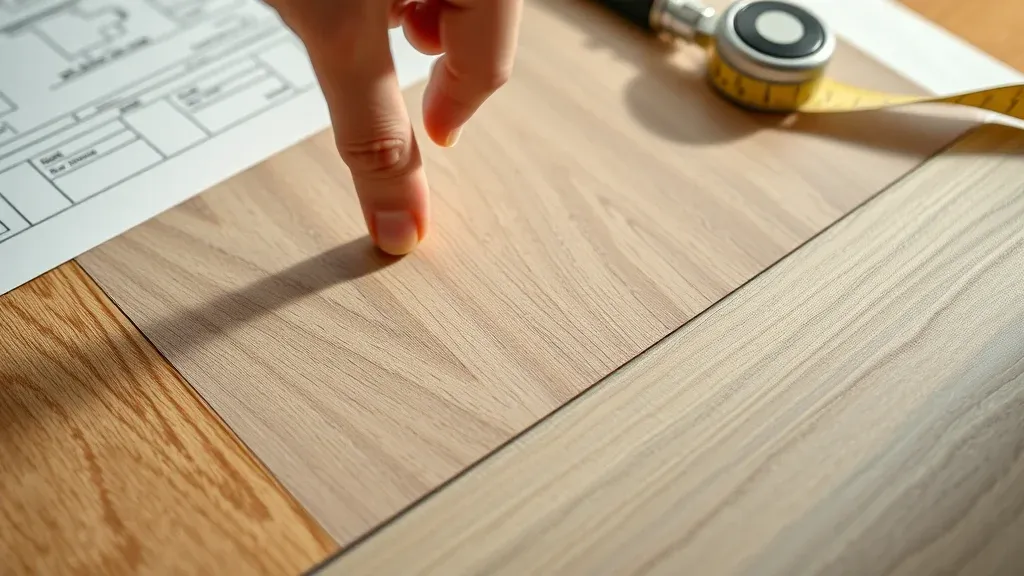
Not all flooring options are created equal when it comes to surviving heavy foot traffic. The best flooring options for high-traffic areas share several essential features: a thick, high-quality wear layer, resilience to impacts and scratches, strong moisture resistance, and dependable slip resistance even when wet. For example, a tough porcelain tile or a high-traffic-grade luxury vinyl offers a mix of surface toughness and flexibility, whereas softer woods or basic laminates may begin to show scuffs quickly.
Additionally, durable flooring must be easy to clean and maintain—think sweeping, mopping, and the occasional deep clean without risk of warping or staining. The goal is to choose a flooring material that manages both form and function: it absorbs the stress of day-to-day activity while retaining its original color, shine, and structure for years. Selecting flooring with robust construction and certified durability credentials is the cornerstone of making spaces in traffic areas last.
How Traffic Areas Impact Flooring Longevity
The unique challenges of traffic areas extend beyond just the sheer number of feet crossing the floor. These spaces are also where dirt, debris, and moisture are most commonly tracked in, accelerating the breakdown of weaker floors. For example, entrances, hallways, and shared offices bear the brunt of the daily grind, making superior durability a non-negotiable. Solid wood floors or substandard laminate might look great initially, but without the right surface protection, they may require frequent refinishing or total replacement, costing much more over the long term.
Smart design means anticipating these issues by choosing the best flooring options for high-traffic areas that have engineered structural strength. Flooring with high abrasion and impact resistance directly translates to fewer cracks, chips, and unsightly marks. By investing in durable flooring up front, homeowners and businesses not only enhance value but also minimize maintenance costs and avoid unexpected repairs down the road.
Moisture, Wear Layer, and Slip Resistance Factors
Moisture resistance is a key consideration in choosing flooring for traffic areas, especially in entrances, kitchens, bathrooms, and commercial facilities. Any flooring option you choose should withstand spills, humidity, and the occasional flood without swelling, warping, or losing its adhesion. The wear layer—the top protective coating—acts as an insurance policy against the daily grind, scratches, and stains. For vinyl and laminate floors, a robust wear layer ensures the surface retains its appearance over years of abuse.
Finally, slip resistance shouldn’t be overlooked in traffic areas. Surfaces like porcelain tile and high-traction luxury vinyl often feature slip-resistant textures or coatings, which are particularly essential in workplaces, schools, or wet environments. The safest and best flooring options for high traffic areas always balance these moisture and wear factors with everyday usability, ensuring comfort and safety underfoot for everyone.
Top Flooring Options for High Traffic Areas: What Experts Recommend
| Flooring Type | Durability | Cost ($/sq.ft.) | Style Range | Ease of Maintenance |
|---|---|---|---|---|
| Wood Flooring | Good (needs maintenance) | 6-15 | High | Moderate |
| Engineered Wood | Very Good | 5-13 | High | Moderate |
| Laminate Flooring | Good-Excellent | 2-7 | Wide Range | Easy |
| Vinyl Flooring | Very Good | 2-8 | Wide Range | Easy |
| Luxury Vinyl | Excellent | 3-10 | Wide Range | Very Easy |
| Porcelain Tile | Outstanding | 4-14 | Wide Range | Very Easy |
| Ceramic Tile | Very Good | 1-8 | Moderate | Easy |
“For busy households and commercial spaces, luxury vinyl and porcelain tiles stand out for both aesthetics and resilience,” – Certified Flooring Specialist.
When selecting the best flooring options for high-traffic areas, industry experts often recommend luxury vinyl and porcelain tile for their unmatched balance of style, durability, and low maintenance. However, each flooring option brings unique strengths: wood flooring and engineered wood are timeless and beautiful, laminate is budget-friendly and adaptable, and classic ceramic tile remains a staple in moisture-prone zones. Your final choice should align not just with aesthetics but with your specific durability, cost, and care requirements.
Especially in spaces with heavy foot traffic, prioritizing surface strength and ease of cleaning is critical. With so many innovative materials available, each with its own pros and cons, it’s worth weighing the overall life-cycle cost, installation complexity, and look you want to achieve. The right decision will protect your investment and keep your floors looking top-notch for the long haul.
Wood Flooring and Engineered Wood: Classic but Durable Flooring Solutions
Pros and Cons of Wood Floor for Heavy Traffic
Wood floors are a beautiful and popular choice in both homes and offices, desired for their timeless charm and natural look. For traffic areas, however, traditional solid wood presents trade-offs: it feels warm and elegant underfoot but is also prone to scratching, scuffing, and denting from heavy use. The upside is that solid wood floors can be sanded and refinished multiple times, refreshing the surface whenever visible wear and tear set in. However, they require regular care and vigilance—especially in high-traffic zones, making them better suited for areas where you can invest in ongoing maintenance.
On the other hand, engineered wood floors offer greater dimensional stability thanks to their layered, cross-laminated construction. This means less warping and shifting due to humidity or rapid temperature changes, which helps retain their look even as they age. If you want the classic feel of wood flooring but need more reliable performance under stress, engineered choices deliver a best-of-both-worlds solution.
Is Engineered Wood or Natural Wood the Better Flooring Option?
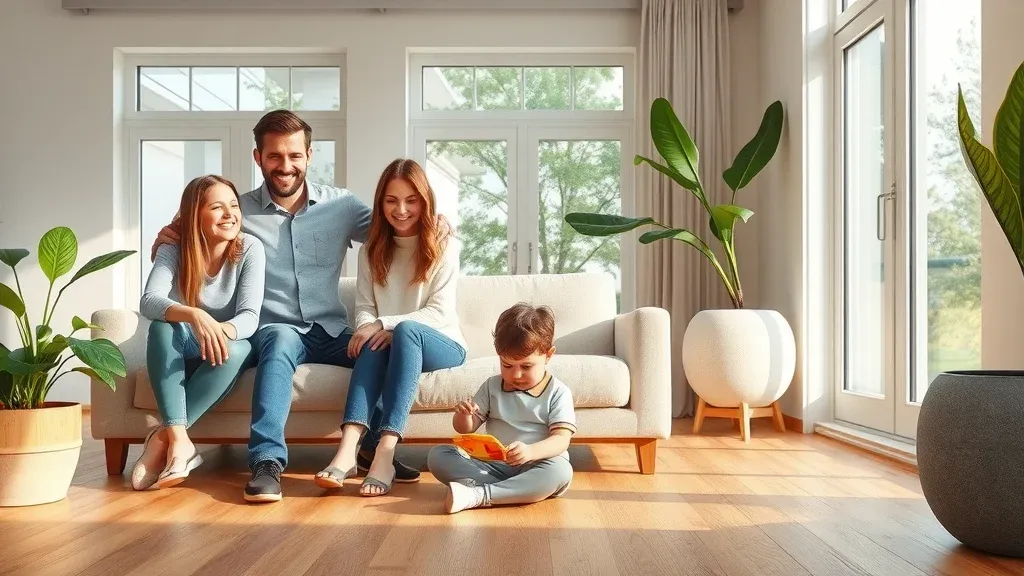
Choosing between engineered wood and natural wood flooring depends on two main factors: your maintenance expectations and the specific environment. Engineered wood floors are constructed with a thin layer of hardwood atop a core of plywood or high-density fiberboard, which provides exceptional resistance to changes in moisture and temperature. This feature makes engineered floors an excellent choice for high-traffic areas and basements, which are subject to extra wear and humidity.
Natural or solid wood, in contrast, offers a richer tactile experience and can last generations when meticulously cared for. The challenge in busy traffic areas is their susceptibility to dings and indentations from constant movement or dropped objects. Ultimately, if ease of care and durability are key, engineered wood flooring is generally better for high-traffic zones—offering the beauty of a wood floor with more robust daily performance.
Best Practices for Maintaining Wood Flooring in Traffic Areas
Protecting wood flooring, whether natural or engineered, requires a few tried-and-true habits. First, use rugs or mats at entrances to trap grit and moisture before it reaches the surface, especially in traffic areas. Clean floors frequently with a soft microfiber mop and wood-friendly cleaning products, steering clear of harsh abrasives or excessive water. For high-traffic zones, it’s wise to refinish or recoat wood floors every several years to restore their surface and keep them looking pristine.
Additionally, maintain stable indoor humidity to minimize warping, and immediately wipe spills to prevent stains or damage—this is critical for both wood and engineered flooring. With thoughtful care and regular touch-ups, wood floors can serve as a long-lasting, beautiful base in busy homes and offices for decades.
Porcelain Tile and Ceramic Tile: Best Flooring Options for Water-Prone Traffic Areas
Why Porcelain Tile Excels in High Traffic and Wet Areas
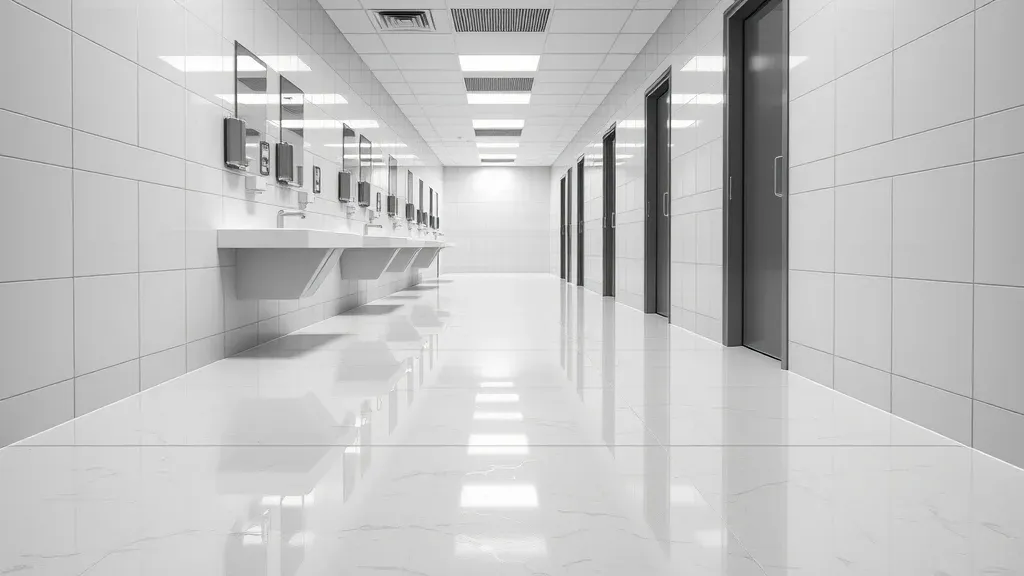
Porcelain tile is widely recognized as the elite choice for high traffic, water-prone areas—think commercial entryways, kitchens, bathrooms, or public walkways. Its dense, non-porous structure gives it exceptional durability, natural resistance to spills, and the ability to withstand constant, heavy foot traffic without fading, scratching, or cracking. The wear layer on porcelain is integral to the tile itself, rather than just a surface coating, making it inherently more robust compared to many other flooring options.
The result is a floor that not only looks polished and clean (even after years of use) but is also nearly impervious to routine wear and tear. It’s the top pick in “wet” commercial spaces and busy homes precisely because it combines aesthetic flexibility with near-bulletproof performance.
Comparing Ceramic Tile and Porcelain for Busy Traffic Areas
While ceramic tile shares many similarities with porcelain in terms of versatility and easy-to-clean surfaces, there are crucial performance differences in traffic areas. Porcelain is made from finer, denser clay fired at higher temperatures, resulting in a tile that absorbs less water and is less likely to chip or stain. Ceramic is still a durable flooring option, suitable for moderately high-traffic areas, but porcelain outpaces it in raw strength and water resistance.
For homeowners and facility managers who prioritize longevity and “set-and-forget” ease, porcelain tile remains the clear leader. However, if the installation budget is tight and absolute indestructibility isn’t required, ceramic tile provides a highly serviceable and attractive alternative for busy spaces.
Vinyl Flooring and Luxury Vinyl: Resilient Flooring Options for High Traffic Areas
What Sets Vinyl Flooring Apart as a Durable Flooring Option
Vinyl flooring is renowned for its flexibility, resilience, and relative affordability, making it a practical choice for schools, offices, and residential traffic areas. Its multi-layer design typically includes a tough wear layer that defends against scratches, scrapes, and even moderate moisture. Vinyl is available in a wide range of colors, patterns, and textures, including convincing imitations of wood and stone, letting you align your style preferences with seat-of-your-pants practicality.
One of vinyl’s standout traits is its ease of installation. Whether you’re laying sheets, planks, or tiles, the click-lock and adhesive systems are designed for speed and simplicity, slashing the cost and time to transform a space. Vinyl flooring is also considered easy to clean and maintain, with no need for harsh chemicals or complicated routines, just sweep and mop for a like-new look.
Luxury Vinyl Flooring: High-End Looks with Practical Benefits
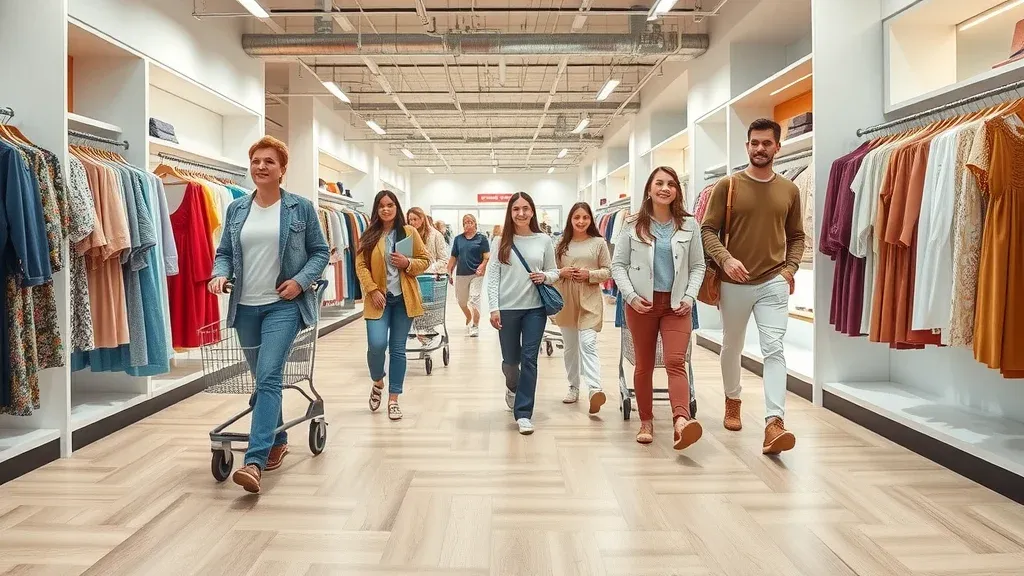
Luxury vinyl flooring (LVF) elevates basic vinyl with a thicker, more robust wear layer and advanced printing technology, resulting in boards or tiles so realistic they often fool the eye. Popular in offices and trendy retail, LVF blends high-end style, mirroring hardwood planks or stone tiles, while offering exceptional resilience to heavy foot traffic, moisture, and rolling loads. Thanks to tight seams and waterproof backing, it’s difficult for spills or dirt to sneak underneath, helping maintain hygienic surfaces in all types of traffic areas.
LVF isn’t just good-looking; it’s also quiet underfoot, comfortable, and highly adaptable to different demands, from family rooms to bustling lobbies. Its combination of low maintenance requirements and premium aesthetics makes luxury vinyl one of the best flooring options for high-traffic areas.
Understanding the Wear Layer in Vinyl Flooring for Traffic Areas
The wear layer in vinyl flooring is arguably the most essential component for ensuring long-term durability in traffic areas. Measured in mils (one-thousandth of an inch), a thicker wear layer means better protection against scuffs, tears, and finish loss. For commercial-grade vinyl flooring or homes with plenty of pets and children, experts typically recommend a wear layer of at least 20 mils for maximum resilience.
This protective shield is transparent but tough as nails, capable of fending off stains, fading, and UV damage. When shopping for vinyl flooring for high-use zones, always check the manufacturer’s wear layer rating to match your needs—this single feature plays a pivotal role in floor longevity and satisfaction.
Laminate Flooring: Affordable and Stylish Flooring Ideas for High Traffic Spaces
How Laminate Flooring Holds Up Under Constant Foot Traffic
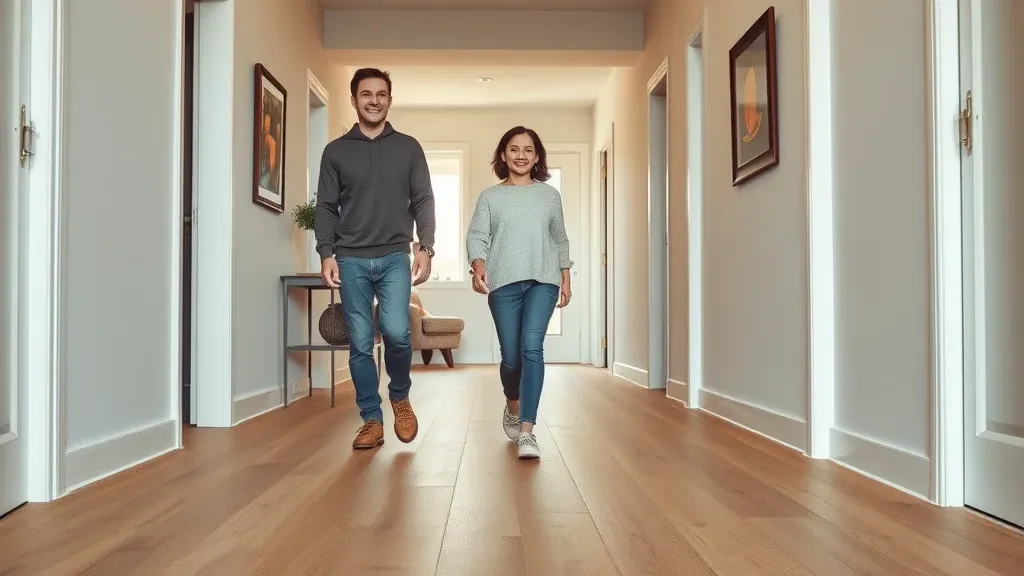
Laminate flooring is a favorite for its cost-effectiveness and vast selection of styles, including lifelike wood and stone visuals. Its layered construction includes a tough, transparent wear layer, a decorative image layer, and a high-density backing, all tightly bonded for stability and strength. In high-traffic areas, laminate flooring resists most scratches, indentations, and everyday wear and tear remarkably well, especially compared with lower-priced hardwood alternatives.
Another advantage is how easy it is to install (often as a floating floor), which can reduce both time and labor costs. While not quite as resilient as tile or luxury vinyl in soaking-wet conditions, laminate’s protective finish makes it a solid performer in living rooms, offices, and busy hallways where spills are limited and constant impact is a daily reality.
Moisture and Maintenance: Keeping Laminate Floor Pristine
The main challenge with a laminate floor in traffic areas is moisture. While many modern laminates feature water-resistant cores and locking systems, standing water or chronic dampness can still cause swelling at the seams or boards. Combat this issue by cleaning up spills immediately and opting for premium laminates rated specifically for wet areas if your space demands it.
Routine care involves sweeping away grit and dust, using a damp (not wet) mop, and employing floor protectors under heavy furniture or rolling chairs. With proper installation and thoughtful upkeep, laminate flooring holds up well as a stylish and budget-conscious flooring solution for active households and workspaces alike.
Design Considerations: Balancing Style, Function, and Costs in Traffic Areas
Popular Flooring Options for Modern Spaces
Today’s top flooring options cater to both visual appeal and practical utility. Luxury vinyl and porcelain tile are especially popular in contemporary homes and commercial interiors, thanks to the sheer variety of patterns, colors, and formats on offer. Engineered wood offers a blend of upscale warmth and improved durability, while laminate flooring brings affordability and quick installation to the table without sacrificing style.
Color trends currently emphasize natural tones, wide planks, and textures that mimic raw materials. Focusing on both appearance and hardiness ensures you never have to compromise on the perfect flooring for your busiest spaces. A little research goes a long way in finding that wide range of flooring products that meet both your dream décor and your daily demands.
How to Integrate Multiple Flooring Solutions for Seamless Traffic Areas
Many modern layouts benefit from combining different flooring options within a single building or even within a single open space. For example, it’s common to see hard-wearing porcelain tile at entrances, easy-to-clean luxury vinyl in kitchens, and elegant engineered wood flooring in living or board rooms. The key is to blend colors, sheens, and transitions (like seamless thresholds or coordinated trim) so the changes feel intentional, not abrupt. This approach delivers a unified look while tailoring performance to each zone’s demands.
By mapping out where the most foot traffic, moisture, or dirt occurs, you can assign the best materials to each location, then connect them with harmonious design choices. The result is a space that is both visually striking and perfectly suited to how you live and work.
People Also Ask: Best Flooring Options for High Traffic Areas
What is the most durable flooring for high-traffic areas?
The most durable flooring for high-traffic areas includes porcelain tile, luxury vinyl planks or tiles, and commercial-grade engineered wood. These materials are specifically engineered to withstand years of intense wear and tear, resist stains, and maintain their appearance despite constant foot traffic. When selecting for busy entryways, retail, or institutional spaces, prioritize surfaces with thick wear layers and proven water resistance for the longest-lasting results.
What is the 3/4/5 rule for flooring?
The “3/4/5 rule flooring” is a design principle often used in hardwood and engineered wood installations, guiding how to stagger floorboards for a natural, strong appearance. It recommends that boards be laid so their ends do not align every three, four, or five rows, reducing the risk of visible repeated patterns or weakened seams. This method not only strengthens the final floor but also gives a more authentic, random look in high-traffic areas.
Is vinyl or laminate better for high-traffic areas?
While both vinyl flooring and laminate flooring perform well under heavy foot traffic, vinyl (especially luxury vinyl) is generally the better choice for truly high-use spaces. It’s more water-resistant, features a tougher wear layer, and often provides better slip resistance than standard laminates. For homes with pets, kids, or wet shoes, vinyl wins out—though modern laminate is a strong contender when budget or very specific style needs come into play.
What is the rule of 3 in flooring?
The “rule of 3 in flooring” is a guideline for mixing widths, colors, or materials in a single flooring project. Designers recommend limiting the number of different types to three or fewer within any one visual space. This ensures cohesion, prevents a busy or chaotic appearance, and helps maintain a seamless aesthetic even when using multiple flooring solutions across a high-traffic area.
Quick Comparison Table: Best Flooring Options for High Traffic Areas
| Flooring Type | Pros | Cons | Typical Applications |
|---|---|---|---|
| Solid Wood | Natural beauty, can be refinished | Scratches easily; not waterproof | Living rooms, offices |
| Engineered Wood | Stable, versatile, lower maintenance | Still vulnerable to deep scratches | High-use living spaces, offices |
| Laminate Flooring | Budget-friendly, easy to install, many designs | Less water-resistant, can’t be refinished | Hallways, entryways, offices |
| Vinyl Flooring | Waterproof, easy care, resilient | Can dent under heavy objects | Kitchens, laundry rooms, commercial |
| Luxury Vinyl Flooring | High style, toughest wear layer, waterproof | Higher cost than standard vinyl | Basements, retail, restaurants |
| Porcelain Tile | Maximum durability, water- and stain-proof | Cold, requires careful installation | High-traffic retail, entryways, bathrooms |
| Ceramic Tile | Affordable, easy to maintain | Slightly less durable than porcelain | Kitchens, restrooms, moderate-traffic spaces |
FAQs: All About the Best Flooring Options for High Traffic Areas
- How often do you need to replace flooring in high-traffic areas?
With modern materials such as porcelain tile, luxury vinyl, or engineered wood, floors in high-traffic areas can last 10–25 years or more when properly installed and maintained. Lower-grade laminates or solid wood in tough spots may need replacement or resurfacing every 3–10 years, depending on usage. - What is the best non-slip option for commercial traffic areas?
Porcelain tile with anti-slip ratings and textured luxury vinyl floors are excellent for maximum traction and safety in busy offices, retail, or public settings. Always check for certified slip resistance (COF ratings) when safety is a concern. - Are there eco-friendly, durable flooring choices?
Yes! Sustainable bamboo floors, reclaimed wood, and certain linoleum or cork products can be both green and surprisingly strong in traffic zones. Many engineered wood and luxury vinyl floors now offer recycled content and low-VOC adhesives. - Can flooring options be combined for different zones?
Absolutely! Smart design often pairs moisture-proof tile or vinyl in wet entryways with warmer woods or laminates in nearby living spaces, using seamless transitions to unify the overall look while customizing for wear and function.
Key Takeaways: Choosing the Best Flooring Options for High Traffic Areas
- Durability and moisture-resistance are top priorities for flooring options in traffic areas
- Balance aesthetics, cost, and maintenance requirements
- Professional installation helps maximize longevity, especially with wood and engineered flooring
- Vinyl flooring, luxury vinyl, and porcelain tile remain leading choices
Next Steps: Upgrade Your Traffic Areas with the Best Flooring Options
Ready to transform your high-traffic areas with floors built to last? Call our office at 408-723-8346 for expert advice, quality installation, or a free on-site quote!